Blockchain in Real Estate Transactions
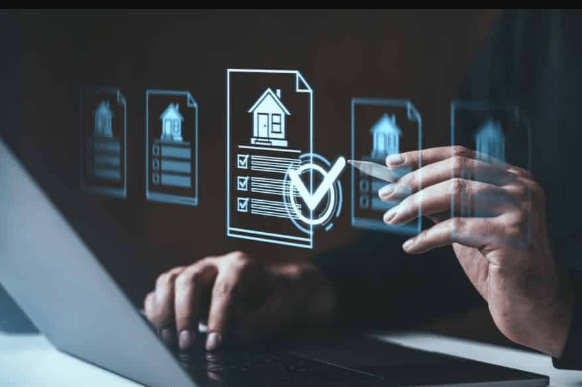
Blockchain introduces immutable ledgers for title provenance, lien records, and transfer histories, enabling auditable validations with reduced cycle times. Smart contracts codify contingencies, automate escrow actions, and streamline closings. The approach affects lenders, appraisers, and title agents via data-driven dashboards and digital notarization, while regulatory and interoperability gaps shape practical adoption. The potential is tangible, but standardized, cross-border frameworks and risk controls remain unresolved—a critical area for ongoing scrutiny and iteration.
How Blockchain Streamlines Title Searches and Recording
Blockchain technology can streamline title searches and recording by creating an immutable, decentralized ledger that records all property transfers and encumbrances in real time. This framework supports transparent provenance, reduces disputes, and accelerates validation.
Governance structures guide access, rights, and updates, preserving hash integrity and auditability.
Data-driven processes enable standardized workflows, enhancing efficiency while sustaining freedom through verifiable, distributed recordkeeping.
How Smart Contracts Transform Escrow, Notarization, and Closings
Smart contracts reframe escrow, notarization, and closings by codifying transaction contingencies into verifiable, autonomous commitments. The approach enables measurable cycle times, reduced counterparty risk, and traceable workflows.
Escrow automation accelerates fund release through predefined milestones, while notarization innovation digitalizes document attestation. Data-driven dashboards illuminate compliance, while automation minimizes manual bottlenecks, supporting transparent, scalable closings without sacrificing governance or auditability for diverse market participants.
Financing and Ownership: Blockchain’s Impact on Lenders, Appraisals, and Transfers
Financing and ownership processes stand to be reshaped as blockchain enables immutable, auditable records of debt service, collateral Mechanics, and title provenance.
The analysis focuses on lenders, appraisals, and transfers, detailing data-driven impacts on underwriting, collateral valuation, and settlement timelines.
Potential finance inefficiencies and financing challenges emerge from interoperability gaps, while ownership transferability may improve through standardized tokenized titles and verifiable provenance.
Navigating Regulation, Adoption, and Practical Pitfalls in Real Estate Blockchain
How might regulatory landscapes shape the path to widespread adoption of real estate blockchain, and what practical pitfalls most commonly impede progress?
The analysis isolates regulatory compliance as a gatekeeper, detailing predictable timelines, jurisdictional variance, and reporting demands. It also examines cross border transfers, liquidity frictions, and interoperability gaps, framing a data-driven, process-focused roadmap for risk-aware, freedom-minded stakeholders pursuing scalable adoption.
Frequently Asked Questions
How Secure Is Blockchain Against Data Tampering in Real Estate?
Blockchain demonstrates strong data integrity and tamper resistance through cryptographic hashing, distributed consensus, and immutable ledgers. In practice, its security relies on network size, protocol rigor, and governance; vulnerabilities arise from external software, user errors, or adversarial incentives.
Can Buyers Transfer Property Rights Instantly Worldwide on Blockchain?
Instant, global transfer of property rights by buyers on blockchain is unlikely due to jurisdictional, regulatory, and settlement latency constraints; however, blockchain settlement offers near-real-time record updates, enabling faster post-transaction confirmations and standardized, verifiable ownership proofs.
What Are Tax Implications of Blockchain-Based Property Transfers?
Tax implications depend on jurisdiction and transfer structure; Real estate taxes may be triggered by recording events, capital gains, or depreciation adjustments. Data-driven analysis shows variability, with compliance costs rising as tokenized transfers blur traditional tax reporting boundaries.
How Do Title Insurers Adapt to Blockchain-Recorded Titles?
Title insurers adapt by codifying workflows for blockchain title validation, integrating cryptographic checks, and aligning risk models; they pursue standardized proofs, audits, and interoperability. This analytics-driven process remains data-focused, enabling flexible, autonomous decision-making within regulated freedom.
See also: Blockchain in Modern Finance
What Are Privacy Risks With Public Blockchain in Real Estate?
Privacy risks arise from public blockchains where transaction data could be visible, enabling data exposure through metadata, linking addresses to individuals, and leakage of sensitive property information, necessitating robust anonymization, access controls, and legal safeguards to mitigate exposure.
Conclusion
Blockchain catalyzes transparent title provenance, automated escrow, and accelerated closings, driving measurable reductions in cycle times and risk. Data-driven governance and interoperable protocols enable real-time validations, while smart contracts execute contingencies with auditable precision. Yet regulatory ambiguity and cross-border interoperability remain pivotal uncertainties that could recalibrate timelines and costs. As adoption scales, stakeholders must balance rigorous compliance with streamlined processes, because the next transaction could hinge on a previously unseen data standard or a single, pivotal interoperability breakthrough. The suspense lies in what comes next.